The Devolution Wave: A Strategic Blueprint for Town and Parish Councils
Reorganisation is shifting assets and accountability downward. Here's how local councils can negotiate fair transfers, plan for the long term, and get ready for the wave.
Nathan Foster
Sales & Growth Manager, Civic.ly
A Structural Shift, Moving at Full Speed
The landscape of local democracy is transforming quickly. Following the English Devolution White Paper, central government has set out an ambition to extend devolution across the whole of England by the end of the current Parliament. Sprawling unitary authorities and new mayoral combined bodies are expanding across the regions, and the map is being redrawn faster than many councils expected.
While devolution promises to bring decisions closer to local communities, it frequently triggers deep anxiety inside town and parish chambers. Many neighbourhood councils report an information blackout from county and district tiers, which leaves overstretched clerks in the dark about what is heading their way.
The operational core of this transition is clear: principal tiers are shifting financial and operational accountability downward. To stay resilient through the incoming wave, neighbourhood councils need to professionalise the way they manage their physical assets — and they need to do it now.
The Asset Transfer Dilemma: Balancing the Ledger
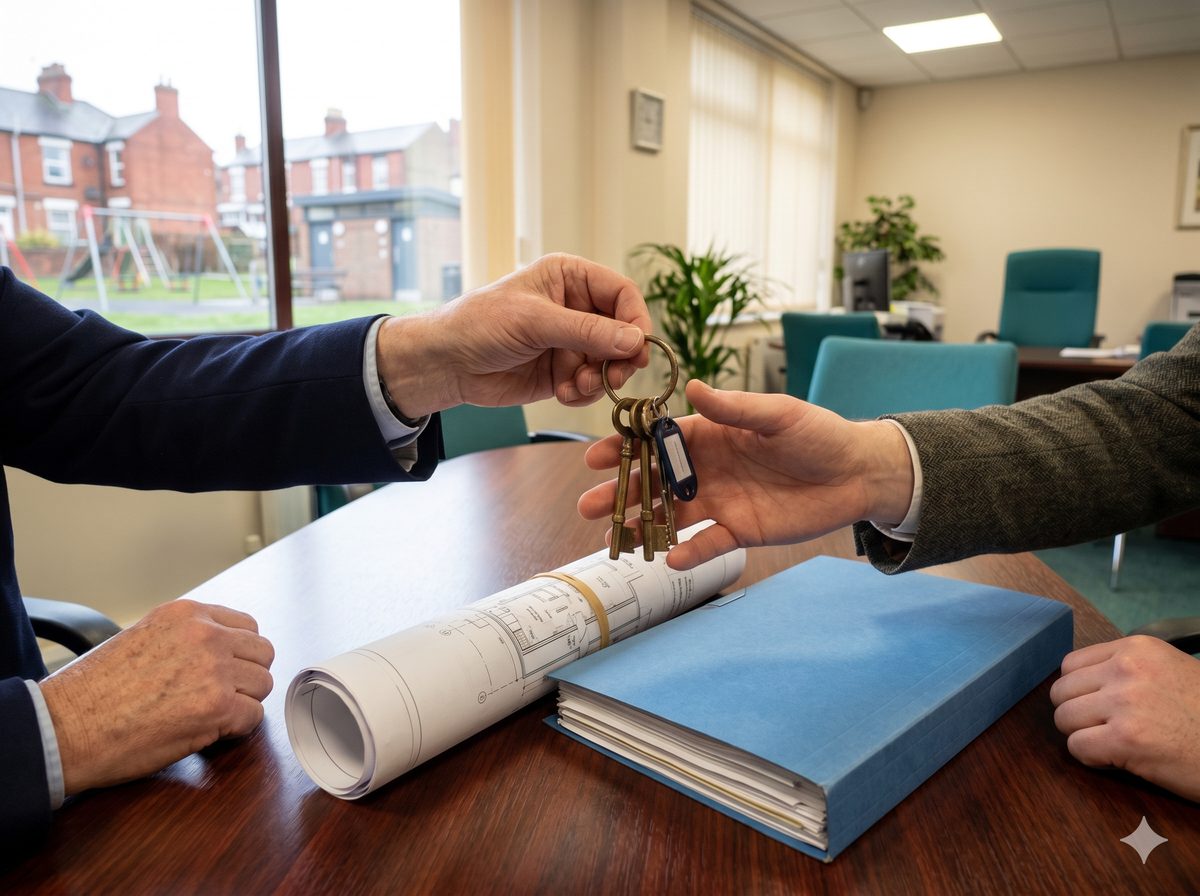
Devolution routinely results in legacy infrastructure being handed down to local councils. Principal authorities are keen to divest themselves of localised, non-operational community assets.
For a county or district body, a public toilet block or a neighbourhood playground is a minor line item. For a small parish team, it can represent a major structural liability — and if a local tier rejects the transfer, the asset may close, which hurts the community deeply.
Strategic Asset Pairing
To navigate handovers safely, local councils should demand a balanced basket of assets during negotiations. Resist taking on cost-heavy community liabilities without securing matching income streams. This structure helps balance the local ledger:
Pairing inherited liabilities with revenue counterweights
Inherited asset liability
Required revenue counterweight
Long-term protection strategy
Public toilet blocks
Revenue-generating car parks
Offset high daily cleaning and utility costs using parking fees.
Playgrounds and skate parks
Commercial café leases
Fund statutory safety checks using commercial rent.
Open spaces and pavilions
Section 106 or CIL capital pots
Secure ring-fenced maintenance reserves before signing legal deeds.
Core Learnings from the Devolution Frontline
Looking at how recent local government transitions have played out, four areas stand out as the ones local councils most need to master to stay resilient.
1. Break the fourteen-month budget loop
The default setting for most parish operations is short-term reaction — teams typically plan only fourteen months ahead, focused on setting the autumn precept and surviving the next full council meeting.
Devolved asset management needs a longer horizon. Establish a clear four-year strategic plan that explicitly connects neighbourhood projects to your reserves policy. To stop that plan gathering dust in a drawer, build it into your monthly council agenda and review progress openly, so operational tasks keep moving every week.
2. Cluster for strength in numbers
Sprawling unitary wards mean fewer elected principal representatives covering vast areas. A solitary rural parish representing a small population risks becoming an invisible minnow in a giant ocean.
Progressive clerks are forming collaborative chair groups and parish clusters. By unifying adjacent parishes into a single lobbying bloc, local tiers gain the scale they need to negotiate fair terms with county leaders — and clustering lets smaller parishes jointly fund professional asset management staff or roving rangers, sharing the cost across multiple precepts.
Precision Community Engagement
High attendance at a public meeting is a vanity metric if residents sit there disengaged. Real success lies in capturing structured, actionable data that justifies your devolution business cases.
When you survey, minimise your data liabilities: instead of names, emails, and full dates of birth, use simple postcode fragments to verify local residency without triggering a heavy data-protection burden.
3. Reach the demographics you usually miss
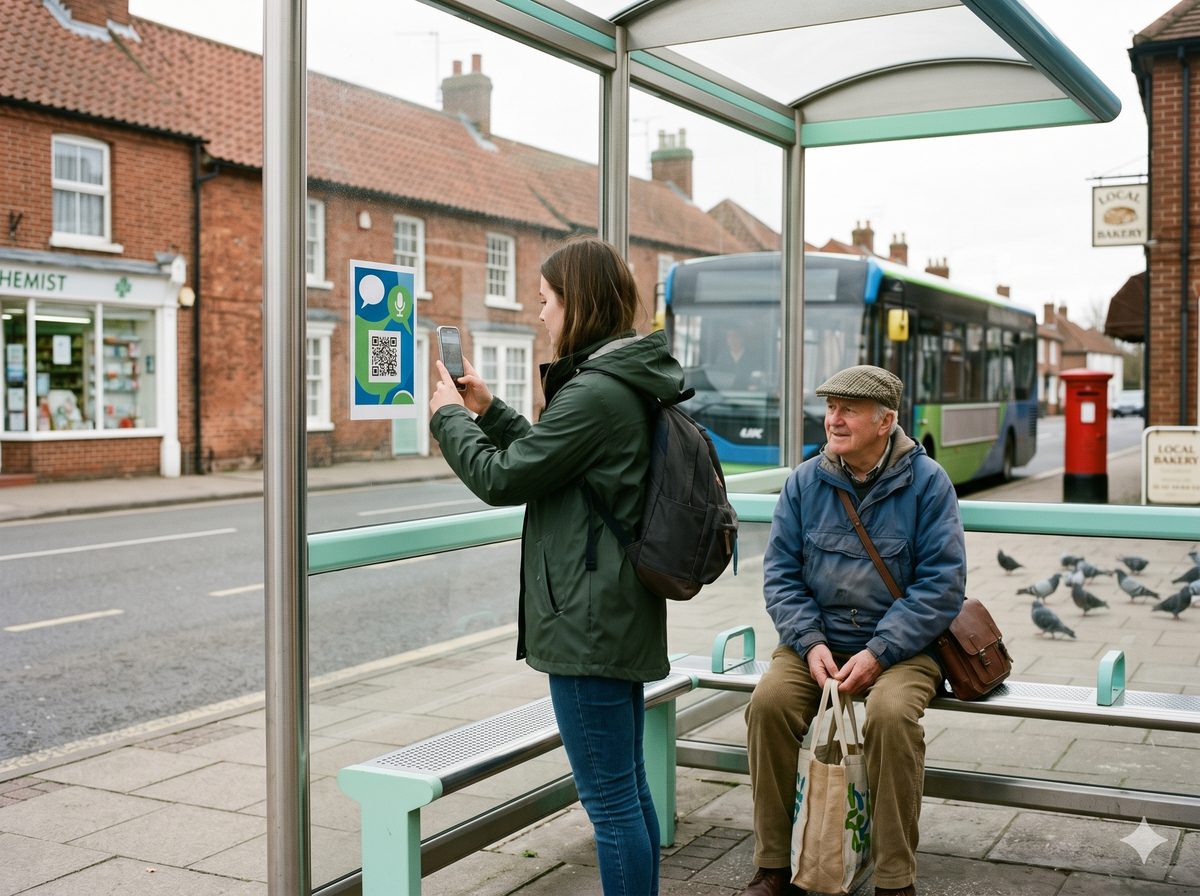
Traditional paper surveys capture retired residents beautifully but miss young working professionals and voting-age youth. Deploy digital-first formats, place scannable QR codes at transit points like bus shelters, and gather insights from trusted local proxies such as sports coaches and youth leaders.
4. Move from reactive to ready
Many councils try to build asset registers in spreadsheets and paper. These approaches routinely buckle under the weight of embedded asset photographs and fail to connect inspections to defect logs.
True readiness means moving away from fixing things only after residents complain. Implement automated, recurring maintenance schedules that protect your infrastructure and help extend asset life.
When things go wrong in a crisis, it is never the distant county hall that steps in first. It is the hyper-local town and parish network that provides immediate community resilience.
Autonomy Demands Modern Infrastructure
True local autonomy is hard to sustain without the digital infrastructure to support it. That is exactly why purpose-built tools matter for councils handling the ripples of reorganisation.
Civic.ly is a specialised asset management platform built to be the operational backbone for forward-thinking clerks. It replaces chaotic data storage — spreadsheets, paper, and scattered WhatsApp updates — with a single web dashboard and a mobile field app. Your grounds crews and cleaners can log photographic, time-stamped proof of work straight from their smartphones.
Be ready when the portfolio lands on your plate
When a principal authority hands you a portfolio of newly devolved assets, the councils that cope best are the ones who already know what they own and what it costs. Civic.ly helps you get there.
With Civic.ly, your council can:
Map newly devolved land holdings instantly from smartphone photos
Use AI to identify asset type, condition, and linked UK safety regulations from a photo
Link inspections directly to live defect and maintenance workflows
Run automated, recurring maintenance schedules so nothing slips
Present clear, auditor-ready evidence to insurers and residents alike
No. Asset transfers require your council's agreement. You have the right to negotiate the terms, ask for a matching revenue stream, or decline the transfer. The pressure is often real, but the choice is still yours — which is exactly why going in with a clear strategy matters.
Refusing a valued local asset can mean it closes, which hurts the community. Pairing a cost-heavy liability with a revenue counterweight — a car park, a café lease, or a ring-fenced capital pot — lets you protect the service while keeping your ledger balanced over the long term.
Clustering is when neighbouring parishes form a formal collaborative group to act together. It gives smaller councils the scale to negotiate fair terms with unitary or county leaders, and lets them share the cost of professional staff, roving rangers, or shared systems across several precepts.
Spreadsheets and paper struggle once you add asset photographs, condition history, and inspection records, and they rarely connect a failed inspection to the defect it should raise. A purpose-built register keeps photos, GPS locations, inspections, defects, and recurring schedules linked together, so your evidence is ready when an auditor or insurer asks.
Ready to get your assets under control?
See how Civic.ly helps councils manage everything from playgrounds to public toilets — in one place.