
Sector News June 2026

Why We're Backing The Council Network

Parish, town, and community councils are the tier of government closest to people — and they're quietly taking on more of what makes a place worth living in. We're sponsoring The Council Network because that job gets easier when councils learn from each other.

John Fagan
John Fagan
Founder, Civic.ly

We're proud to share that Civic.ly is sponsoring The Council Network — a new, free digital space built for the people who run local places. If you're a council officer, clerk, or an elected councillor, it's worth a few minutes of your time. Here's what it is, and why we decided to put our weight behind it.

The tier of government closest to people

When a resident notices a streetlight out in a dark alley, they don't open a diagram of which authority owns the column. They tell their local council. When the verge is overgrown, the bench is broken, or the play area looks tired, the same thing happens. To the people who live in a place, "the council" isn't an abstract tier of government — it's the person they can reach, often someone who lives a few streets away and shops in the same shops.

That's the reality for parish, town, and community councils. They are the front line of local government: the layer where public service stops being a policy and becomes whether the green looks cared for and the playground is safe. The clerks, staff, and councillors doing this work are part of the community they serve. They feel the same potholes and walk the same parks. It makes for a tier of government that's unusually close to the people it answers to — and unusually personally invested in getting things right.

What is The Council Network?

The Council Network is a secure, members-only platform that connects these front-line councils with their peers across the country. The idea is simple: instead of every council working out the same answers alone, members can talk directly to colleagues who have already faced — and often already solved — the challenge in front of them.

It does this in three main ways:

Connect with colleagues nationwide

Members can reach officers and councillors well beyond their own county. When you hit a thorny issue, the person who has already navigated it might be three counties away — and now they're a message rather than a cold email.

Tackle local issues together

The platform hosts focused discussions on the topics that fill the day — from grounds and green spaces to community development and the practicalities of taking on new responsibilities. It's a place to ask a real question and get answers grounded in real experience.

Collaborate behind closed doors

Members can set up private, closed groups so a team or a cross-county initiative can plan and share sensitive thinking safely before anything goes public. That security focus matters when the conversation involves early-stage plans or commercially sensitive detail.

It's also completely free for verified local government professionals, so budget pressure doesn't keep anyone out. The network is championed by Cllr Richard Biggs, Leader of Reigate & Banstead Borough Council, and his senior leadership team, who have been encouraging its rollout to strengthen peer-to-peer collaboration across the sector. Access is granted on request once membership is verified.
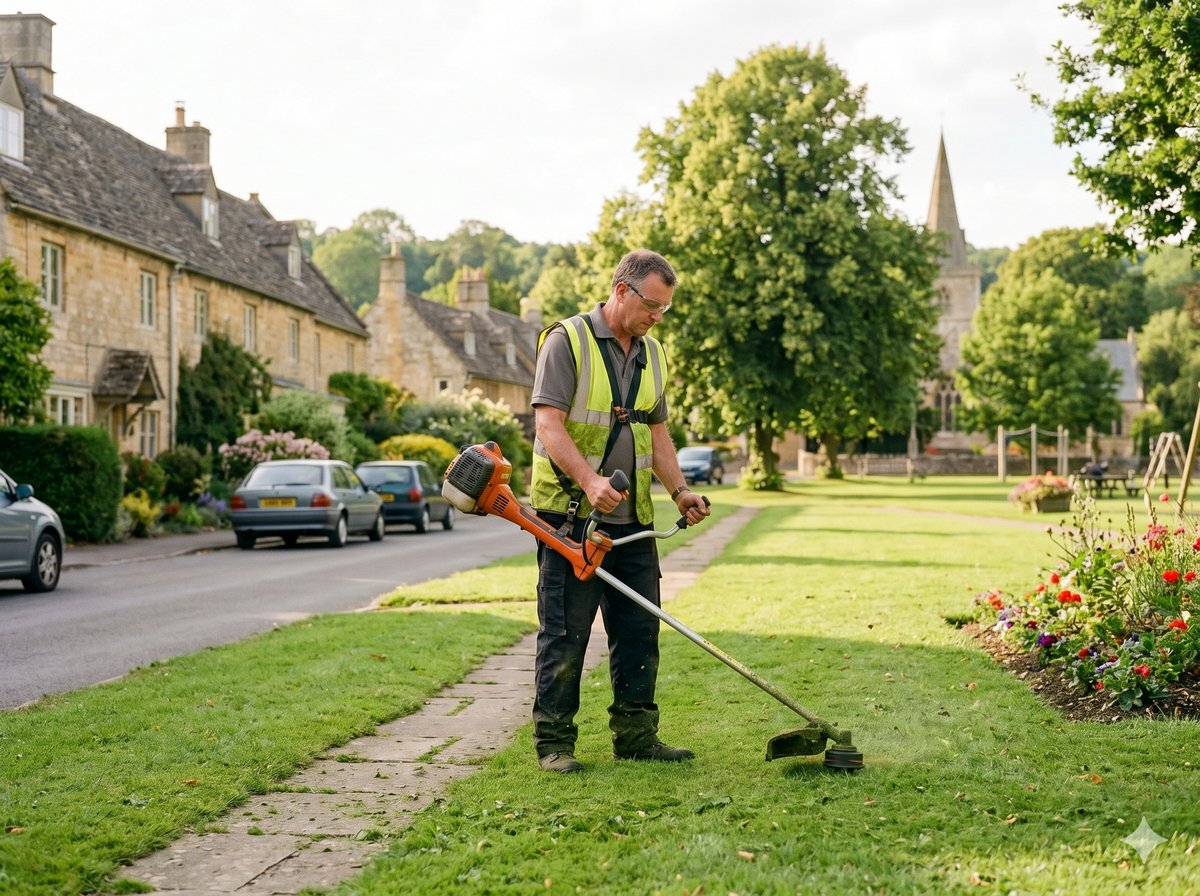

A local council grounds worker tending a grass verge on a village green

Quietly carrying more

As higher tiers of government tighten their budgets, the effects land locally — and parish and town councils increasingly step in. Often that means simply keeping things decent: clearing pathways, cutting verges, caring for trees and bushes, dealing with graffiti. It's not always in their remit, but they do it because they want the best for the people around them.

And it goes further. Assets are being handed down as authorities reorganise and cut back, so local councils are seeing their estates grow — sometimes gladly, for the control it brings, and sometimes reluctantly, for the cost and the work it adds. Either way, the responsibility is growing faster than the tools, budgets, and hands to match it.

Assets that are really about wellbeing

Here's what makes this tier distinctive. Its estate isn't motorways or social housing. It's parks, playgrounds, community centres, events, planters, flowerbeds, war memorials, and the street scene. These are the assets people actually live alongside — the ones that decide whether a town or village feels like a pleasant place to be.

That gives the work an outsized impact. A well-kept green, a safe play area, a summer event on the recreation ground — none of it shows up in a national headline, but all of it shapes how people feel about where they live. Looking after these assets well is, in the most direct sense, looking after community wellbeing. As the responsibility grows, so does the importance of doing it properly.

Why we're sponsoring it

Civic.ly exists to make life easier for these councils. We've always believed the sector's biggest untapped asset isn't software — it's the experience already sitting inside councils up and down the country. The clerk who has taken on a transferred park, the officer who has worked out a sensible inspection routine, the council that found a smart way to keep its verges tidy on a shoestring: that knowledge is gold, and most of it never travels beyond one council.

A platform that makes that knowledge findable is exactly what the sector has needed for years. The councils now being handed more — more assets, more expectation, more of what residents bring to their door — shouldn't have to work it all out alone. The Council Network gives the front line a way to compare notes, and that's good for every community on the receiving end.

Sponsoring, not steering

To be clear about what our sponsorship is and isn't: we're helping to support a free, independent space for the sector. It isn't a Civic.ly sales channel, and it isn't ours to run. We think the network is good for local government on its own terms, and that's reason enough to back it. If some of the people we meet there go on to look at what we build, that's a bonus — not the point.

Who should join

If any of the following sounds like you, The Council Network is worth a look:

  • Clerks and RFOs who want a sounding board beyond their own council — especially as new assets and responsibilities land on the desk.
  • Elected councillors who want to learn how comparable councils have handled the decisions now facing them.
  • Officers leading cross-county or cross-tier work who need a secure space to plan with peers before going public.
  • Anyone taking on more — an inherited park, a tidying-up job that isn't strictly theirs — who suspects another council has already been there.

Request your access

The Council Network is free for verified local government professionals. You can request access in a couple of minutes and start connecting with peers once you're approved.

Join The Council Network →

Stronger together

Local government has never had more on its plate or fewer resources to meet it with, and a great deal of what's growing fastest is landing on the councils closest to home. The ones who come through best will be the ones that learn from each other instead of going it alone. That's the future The Council Network is building toward, and it's one we're glad to support.

For us, it points to something bigger — and it's where Civic.ly is ultimately heading.

A resident using a smartphone in a community park to engage with their local council

A better experience for residents

Looking after these assets well isn't the finish line. Our goal is to change how councils and residents talk to each other — so reporting a broken swing or asking for a new planter feels as quick and responsive as dealing with the best modern brands. Raise it, hear back, see it happen.

When residents get that experience, they put more in and get more out. Over time, that positive loop is how people come to feel a real sense of ownership over the place they call home. You can read more about where we're headed in our vision.

A word from our sponsor

Civic.ly is built for the councils closest to their communities — helping parish, town, and community councils look after the parks, playgrounds, and green spaces that make a place worth living in. Proud sponsor of The Council Network.

See what we do →

FAQ: The Council Network

It's free for verified local government professionals. The aim is to make sure budget pressure never stops a council from accessing shared knowledge.

It's built for council officers, clerks, and elected councillors across the UK. Membership is verified, and access is granted on request once your details are confirmed.

Security is a core focus of the platform. Members can create private, closed groups so teams or cross-county initiatives can plan and share sensitive thinking safely before anything is made public.

No. The Council Network is an independent platform for the sector. Civic.ly is a sponsor — we support it because we think it's good for local government, but we don't run it and it isn't a sales channel for us.

Head to thecouncilnetwork.org/request-access and request access. Once your membership is verified, you can start connecting with peers.

John Fagan
John Fagan

John Fagan is the founder of Civic.ly, the purpose-built asset management platform for parish, town, and community councils. He spends much of his time talking to the clerks, officers, and councillors who look after the parks, greens, and play spaces at the heart of community life — and believes the sector's best ideas usually come from councils learning from each other.

Ready to look after the places people love?

Civic.ly is the purpose-built platform for parish, town, and community councils — helping you care for the parks, playgrounds, and green spaces at the heart of community life.