First, a quick hello. I'm Alex Jay, and I run Little Green Button, a digital safety company based up in Norwich. I've spent the last seven years thinking about how to keep people safe at work without wrapping them in cotton wool, so when Martyn's Law started dominating the headlines, I found myself in a lot of worried conversations with people who run local halls, parks, and events. I'll be honest with you: I think a law that gets everyone talking about safety is no bad thing. It's a bit of carrot and stick, and this is the gentle nudge most of us need. But the nerves it has created are real, so let me try to settle a few of them.
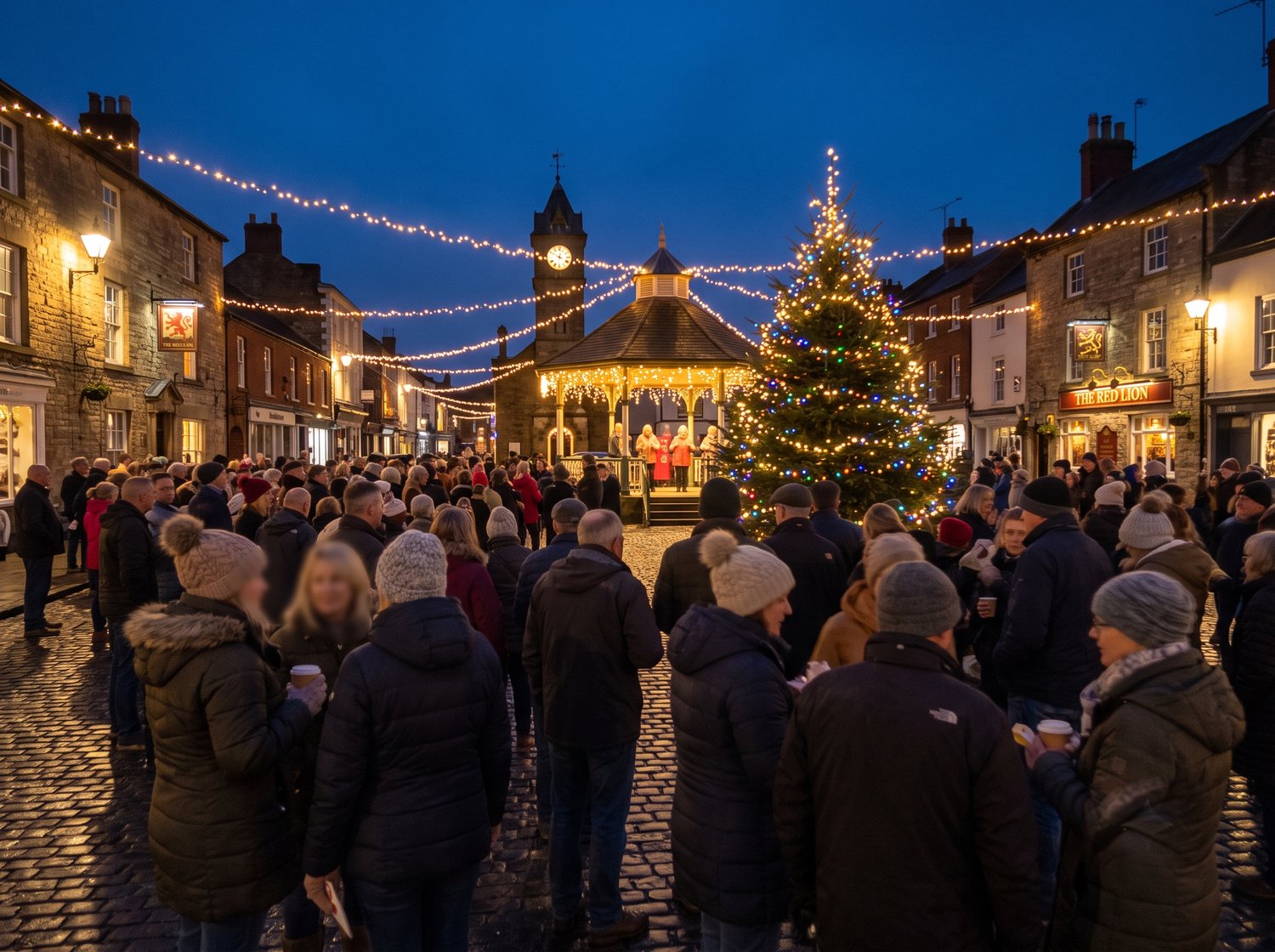
When Martyn's Law was announced, ripples went through everywhere: schools, churches, village halls, parks, and local councils. On a personal level, events I'd been looking forward to, like a local steam rally, were suddenly in doubt. People saw the law, saw that the guidance wasn't fully clarified yet, and some simply thought, "You know what, we're volunteers, we'll just cancel it." Fireworks displays, remembrance services, Christmas lights switch-ons. There's a bit of nuance around the rules, and that nuance was making people scared. Clerks and councillors already have enough on their plate.
So I want to do the opposite of scaremonger. I want to signpost you to some genuinely good guidance, walk through a few real examples, explain why this law came about, and show how it's actually a force for good. I'm not a counter-terrorism expert, and I'm not expecting you to become one either. For a lot of you, the risk is very, very low, and the honest headline is this: Martyn's Law is all about a proportionate response.
By the end of this, I'm hoping you'll have clarity on the scope of what the law entails, and confidence that, for most councils, there shouldn't be huge overheads, no costly tools to buy, and no consultants to hire. There might be a little extra paperwork. But I want to justify why even that is a good thing.
What Martyn's Law Actually Is
The official title is the Terrorism (Protection of Premises) Act 2025. It sounds heavy, and a lot of you are thinking, "How on earth does that relate to a parish or town council?" In essence, it received Royal Assent in April 2025, creating a legal framework that makes certain publicly accessible premises and events responsible for keeping people safe, and for being prepared if the worst were to happen: knowing how to communicate effectively and having thought about sensible precautions ahead of time.
The law is named after Martyn Hett, one of the 22 people tragically murdered in the Manchester Arena bombing in 2017. His mother, Figen Murray, has campaigned tirelessly ever since. (I was fortunate enough to hear her speak at the Martyn's Law Conference recently, where she gave a lot of the context behind it.) The thinking is grounded in real evidence: a handful of small, low-cost measures (having plans and policies in place, thinking ahead) can make a genuine difference to response times in an emergency. It isn't about scaring people. It's about being prepared.
The Timeline: Nothing Is Being Enforced Yet
This is the most reassuring part. Royal Assent happened in 2025, but the Home Office has set a two-year implementation period. When the law was first announced, everyone thought the scope was enormous. A school is publicly accessible, a church is, a village hall is, a park is… and suddenly a thousand questions opened up.
Since then, the Home Office and the Security Industry Authority (SIA) have been steadily publishing guidance to get people ready. Right now, no duties are being enforced. The SIA is due to launch a new online notification portal in spring 2027, and that's when things start to be enforced. Dates may shift slightly, but the key point stands: you have a good amount of time. By educating yourself now, you're doing exactly the right thing: there's a real window to clarify things and ask questions before anything becomes mandatory.